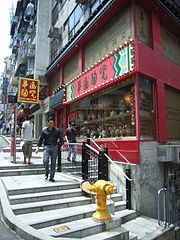
Wow! The second attraction is Hollywood Road. This is near by Bonham Strand West. Hollywood Road is the first street in Hong Kong and more than 100 years old of the history. Why this street so famous in Hong Kong? You know about “The World of Suzie Wong”. The America actor was visit to Hong Kong to make the Hollywood movie .However, the name of street is not related in the Hollywood movie. This is the paint Iiex.
I walk in the street, it make me feel the tradition and western combination. First I saw Man Mo Temple, commonly sort of temple worshipping the Man Tai, Pau Kung and Mo Tai , Kwan Yu, to pray for good results in examinations in China. Is it special? Many paren ts bring their children visit the temple. They hope the good result or study in famous from their children. But finally, studies work hard is the important point to be success. I remind you one thing, it id unhealthy place because the dense smoke spread in there. Be careful!
 ts bring their children visit the temple. They hope the good result or study in famous from their children. But finally, studies work hard is the important point to be success. I remind you one thing, it id unhealthy place because the dense smoke spread in there. Be careful!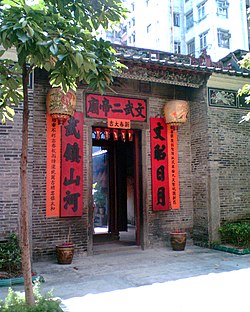
In The next time , I will contnue to introdue about Hollywood Road. It is the long-long story. Don’t miss it!
How to go:
1. Bus 26 outside Pacific Place at Admiralty to Hollywood Road and get off near Man Mo Temple.
2. MTR Central Station Exit D2 and turn right to Theatre Lane. Walk along Queen's Road Central towards The Center. Then take the Central - Mid-Levels Escalator to Hollywood Road.
By Renee Lam


 The festival also provides a platform for residents to perform their folk craft, such as making paper-mache effigies of deities, setting up the bamboo scaffolding of the Bun Mountain, and making handmade buns in preparation for the Bun Festival. This is accompanied by folk performing arts like Taoist rituals and music, a parade, lion dances, qilin dances and drum beating. The elderly residents participate in this festive activity with their children, preserving it from one generation to the next.


